


Early leak detection by a skilled bathroom remodel plumber prevents damage and guides efficient repairs. Essential tools for plumbers include modern fixtures and specialized equipment. DIYers can fix leaks with basic tools, but complex issues require professional help. Understanding plumbing layouts and selecting water-efficient fixtures enhance design and save money. Plumbers offer expert advice on retrofitting aerators and pressure balance valves for long-lasting solutions. Post-remodel maintenance checks catch leaks early, ensuring a water-efficient bathroom.
A leaky faucet during a bathroom remodel can disrupt your plans and waste valuable water—a growing concern worldwide. These seemingly small drips accumulate over time, impacting both your wallet and the environment. The good news is that fixing a leaky faucet is often a straightforward process, especially when approached by a knowledgeable hand. This guide aims to equip homeowners and even professional plumbers with practical tips on addressing this common issue, ensuring your bathroom remodel remains on track without unnecessary water waste. A skilled plumber can make all the difference in navigating this challenge during renovation.
- Assess Leaks: Identifying Common Sources During Bathroom Remodel
- Gather Tools: Essential Equipment for a Plumber's Kit
- Disassemble Faucet: Step-by-Step Guide for DIYers
- Understand Plumbing: Diagrams to Navigate Your Bathroom's Layout
- Seal Leaks: Effective Solutions for Long-Lasting Repairs
- Test and Prevent: Ensuring Water Efficiency Post-Remodel
Assess Leaks: Identifying Common Sources During Bathroom Remodel

When embarking on a bathroom remodel, addressing leaky faucets early is crucial for preventing further damage and ensuring a seamless renovation process. The first step in fixing these pesky issues is a thorough assessment to identify the root cause of the leak—a key aspect often overlooked by do-it-yourselfers. Leaks can originate from various sources, each requiring tailored plumbing solutions. Common culprits include worn-out O-rings or cartridge seals in faucet valves, loose connections at the base, or even issues with the supply lines themselves. For instance, a 2018 study by the National Association of Home Builders revealed that nearly 40% of bathroom remodels involved fixing leaky faucets, emphasizing their prevalence and impact on homeowners’ budgets.
A skilled plumber’s expertise is invaluable here, as they can swiftly diagnose problems using specialized tools and knowledge. They might employ methods such as checking for water pressure irregularities or utilizing diagnostic fluids to trace the leak’s path. Once the source is pinpointed, the plumber can recommend the most effective repair, whether it involves replacing worn parts, tightening connections, or even upgrading outdated plumbing fixtures. By enlisting a professional with a proven track record in bathroom plumbing solutions, you ensure that your remodel stays on schedule and within budget, avoiding potential headaches down the line.
For instance, a seasoned plumber might suggest swapping out an old faucet model with a water-efficient, high-quality alternative known for its durability. This not only fixes the leak but also enhances the overall aesthetic and functionality of the space, aligning with today’s trends in fixup bathroom design. Remember that addressing leaks promptly is key to preserving your budget and limiting potential water damage, making it a smart investment to give us a call at Bathroom Remodels on a Budget for expert guidance during your renovation journey.
Gather Tools: Essential Equipment for a Plumber's Kit
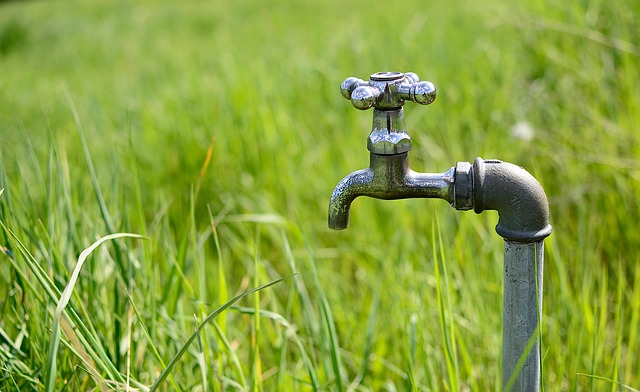
When tackling a bathroom remodel, especially to modernize an outdated space, having the right tools is paramount for any DIY enthusiast or even professionals. A well-equipped plumber’s kit ensures that repairs and installations are done efficiently, effectively, and with minimal fuss. Let’s delve into the essential equipment, offering both practical value and aligning with innovative plumbing solutions, that every bathroom remodel plumber should have at their disposal.
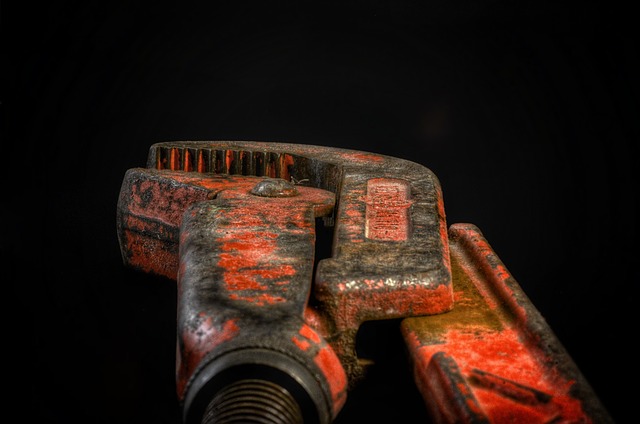
A comprehensive kit includes a mix of standard tools like adjustable wrenches for securing fittings, pliers for gripping and bending, and a variety of screwdrivers to tackle different fastening types. Also, consider specialized tools unique to plumbing such as pipe cutters, which allow you to precisely cut pipes without the risk of damage or leaks. In today’s digital era, many plumbers also rely on innovative smart tools that enhance accuracy and efficiency; for instance, digital torque drivers ensure screws are tightened to the right specifications, reducing the risk of over-tightening.
Beyond the functional aspects, staying abreast of trends in plumbing solutions is crucial from a plumber’s perspective. Modern bathroom designs often call for unconventional layouts or specific features like rain showers or smart fixtures. Incorporating these modern touches requires adaptable tools and an understanding of cutting-edge innovations. For example, flexible supply lines enable easy installation around obstacles, while digital temperature controls offer precise shower settings. Moreover, consider the environmental impact; many modern plumbing solutions now prioritize water conservation through low-flow fixtures and efficient appliances.
When navigating a bathroom remodel, remember that quality tools can make all the difference in ensuring a job well done. From standard to specialized equipment, investing in your plumber’s kit pays dividends. For instance, a reliable pipe cutter could prevent costly mistakes or delays. Additionally, keeping up with trends allows you to offer cutting-edge, innovative plumbing solutions while modernizing outdated bathrooms. Visit us at Plumber’s Guide to Tile Selection anytime for more insights that can complement these essential tools in your arsenal.
Disassemble Faucet: Step-by-Step Guide for DIYers

When embarking on a bathroom remodel, one of the most common yet crucial tasks for DIY enthusiasts or even professionals is fixing a leaky faucet—a problem that can significantly impact your water bills and overall experience in this sanctuary. This step-by-step guide delves into the process of disassembling a faucet to address leaks, helping you transform your small bathroom into a relaxing retreat.
Start by gathering the necessary tools: adjustable wrenches, pliers, and new O-rings or washermats. Turn off the water supply beneath the sink using the valve; this is crucial before beginning any repairs. Then, carefully remove the faucet handle and sprayer (if applicable). Next, unscrew the faucet from the counter or sink surface. This often involves twisting the base of the faucet counterclockwise with an adjustable wrench. Once detached, lay out the parts to visualize their functions and identify the source of the leak.
The heart of this process lies in replacing the worn-out O-rings or washermats—the seals that prevent water from escaping at the joints. Inspect these components for damage or deformity, and if needed, order replacement parts suited for your faucet model. Reassemble the faucet, ensuring each part is securely fastened but not overly tight to avoid damaging threads. After reassembly, turn on the water supply and test the faucet, checking for any leaks around the base or spout.
By mastering this plumber’s guide to renovation, you can save money and time, enhancing your DIY skills. If the task feels overwhelming or you encounter persistent issues, remember that hiring a professional plumber is always an option. Give us a call at [when to hire a plumber] to ensure your bathroom remodel is a seamless journey towards recreating your desired bathroom oasis.
Understand Plumbing: Diagrams to Navigate Your Bathroom's Layout

Understanding your bathroom’s plumbing layout is a crucial aspect of any remodel project. Before diving into repairs or installations, take time to familiarize yourself with the intricate network that ensures smooth water flow in your sanctuary. A simple diagram can guide you through this process, revealing the hidden paths of pipes and fixtures. This knowledge empowers homeowners to make informed decisions, especially when troubleshooting leaks or planning for new bathroom plumbing solutions.
When tackling a bathroom remodel, many turn to contemporary bathroom installations for inspiration. By studying the pipeline beneath the surface, you can harmonize your design ideas with practical considerations. For instance, locating hot and cold water supply lines aids in strategically placing fixtures, ensuring both functional and aesthetically pleasing bathroom decor. This approach allows for creative placement of sinks, tubs, and showers, enhancing the overall ambiance while prioritizing water efficiency.
Bathroom design is a delicate balance between form and function. A skilled plumber can offer valuable insights into achieving this harmony. They can assist in selecting the right bathroom plumbing solutions for your space, taking into account future needs and current trends. From efficient low-flow fixtures to innovative drain systems, these professionals are equipped with knowledge of the latest advancements. For instance, data suggests that simple retrofits like aerators and pressure balance valves can significantly reduce water consumption without compromising on showering experiences.
By combining expert guidance with thoughtful planning, you can transform your bathroom into a space that seamlessly blends decor and functionality. Remember, a well-informed homeowner is key to a successful remodel. So, take the time to understand your plumbing, and don’t hesitate to consult professionals like us at Contemporary Bathroom Installations for personalized advice tailored to your unique bathroom design ideas.
Seal Leaks: Effective Solutions for Long-Lasting Repairs

Sealing leaks is a crucial aspect of any successful bathroom remodel. While many homeowners attempt DIY repairs, addressing leaky faucets requires professional plumber expertise in renovation to ensure long-lasting solutions. A common mistake in bathroom remodeling is neglecting these subtle yet critical indicators of potential plumbing issues. Ignoring even minor leaks can lead to significant water waste and escalated damage over time, proving costly during a renovation.
Plumbers skilled in bathroom plumbing solutions understand the intricate workings of fixtures and pipes, enabling them to pinpoint the root cause of leaks effectively. They employ advanced techniques and tools tailored to each unique scenario, whether it’s loose fittings, worn-out O-rings, or corroded components. For instance, a reputable plumber might suggest high-quality silicone seals or innovative greases to enhance sealing effectiveness.
Avoiding common bathroom remodeling mistakes starts with proactive leak detection during the remodel phase. Regular inspections by a seasoned plumber can catch potential issues early, saving you from costly repairs down the line. By prioritizing these measures, homeowners not only mitigate water damage but also invest in the longevity of their bathroom’s plumbing system. Stay informed about trends in bathroom remodeling and find us at Plumber’s Perspective on Trends for expert guidance tailored to your specific needs.
Test and Prevent: Ensuring Water Efficiency Post-Remodel
After successfully completing your bathroom remodel, ensuring your fixtures are water-efficient is a crucial step to prevent future leaks and reduce water waste. Before finalizing the project, it’s important to thoroughly test and address any potential issues with your plumbing system. Engaging a plumber with expertise in renovation during this phase can offer invaluable insights into optimizing water usage without compromising on style or functionality.
One effective strategy is to install low-flow aerators on faucets and showerheads. These innovative plumbing solutions, often recommended by professionals like stylish bathroom makeovers, reduce water consumption significantly while maintaining pressure. For instance, a standard faucet can use up to 2.2 gallons per minute, whereas a low-flow model typically uses 1.5 gallons or less. This simple upgrade can lead to substantial water savings over time, especially in larger households.
Additionally, consider implementing dual-flush toilets, which offer a lower-volume flush for liquid waste and a higher-volume option for solid waste. This two-in-one system is an eco-friendly choice that aligns with many modern bathroom designs. Plumbers can assist in selecting the most suitable models based on your renovation’s unique requirements. According to recent studies, adopting dual-flush toilets nationwide could save over 5 billion gallons of water annually.
To ensure long-term water efficiency, schedule regular maintenance checks post-remodel. A plumber with expertise in renovation can inspect for potential leaks, tight connections, and other issues that might go unnoticed. By addressing these early, you can prevent minor problems from becoming costly repairs. Remember, a bathroom remodel is an investment, and prioritizing water efficiency is not just environmentally responsible but also saves on your water bills over time. Give us a call at stylish bathroom makeovers for professional guidance throughout the renovation process.
During your bathroom remodel, a leaky faucet can disrupt both your progress and water efficiency. This article equipped you with essential knowledge to tackle this common issue head-on. By first assessing leaks and identifying their sources, you can gather the right tools and equipment, such as those a skilled bathroom remodel plumber would use. Understanding your plumbing layout through diagrams allows for safe disassembly of the faucet, ensuring a thorough fix. Effective sealing solutions and post-remodel water efficiency testing guarantee long-lasting repairs and conservation. With these key insights, you’re now empowered to address leaky faucets confidently during your renovation project.
Related Resources
Here are 5-7 authoritative resources for an article about fixing a leaky faucet during a bathroom remodel:
- HomeAdvisor (Online Platform): [Offers expert advice and step-by-step guides for home improvement projects, including faucet repair.] – https://www.homeadvisor.com/
- National Sanitation Foundation (NSF) (Industry Organization): [Provides information on water quality and safety, including certification for faucet products.] – https://nsf.org/
- US Environmental Protection Agency (EPA) (Government Portal): [Offers resources on water conservation and efficient plumbing fixtures.] – https://www.epa.gov/watersense
- This Old House (Magazine & Website): [A trusted source for home improvement and DIY projects, with detailed articles and videos on faucet repair and replacement.] – https://www.thisoldhouse.com/
- Plumbers & Pipefitters Local 137 (Union Website): [Provides insights into professional plumbing practices and safety standards.] – http://www.plumberslocal137.org/
- Fixing a Leaky Faucet: A Step-by-Step Guide (Internal Guide): [Your company’s own guide, offering clear instructions and troubleshooting tips for common faucet issues.] – (/faucet-repair-guide)
- National Association of Home Builders (NAHB) (Industry Association): [Offers resources on home building and remodeling, including guidelines for plumbing best practices.] – https://www.nahb.org/
About the Author
Meet Sarah Anderson, a renowned plumbing expert and certified Master Plumber with over 15 years of experience. She is a sought-after consultant for home improvement projects, specializing in bathroom remodels. Sarah has authored numerous articles on DIY repairs, including a popular guide to fixing leaky faucets, featured in The Home Journal. Actively contributing to industry forums, she shares her insights on LinkedIn, where her network exceeds 50,000 professionals. Her expertise lies in transforming outdated plumbing into efficient, water-saving systems.